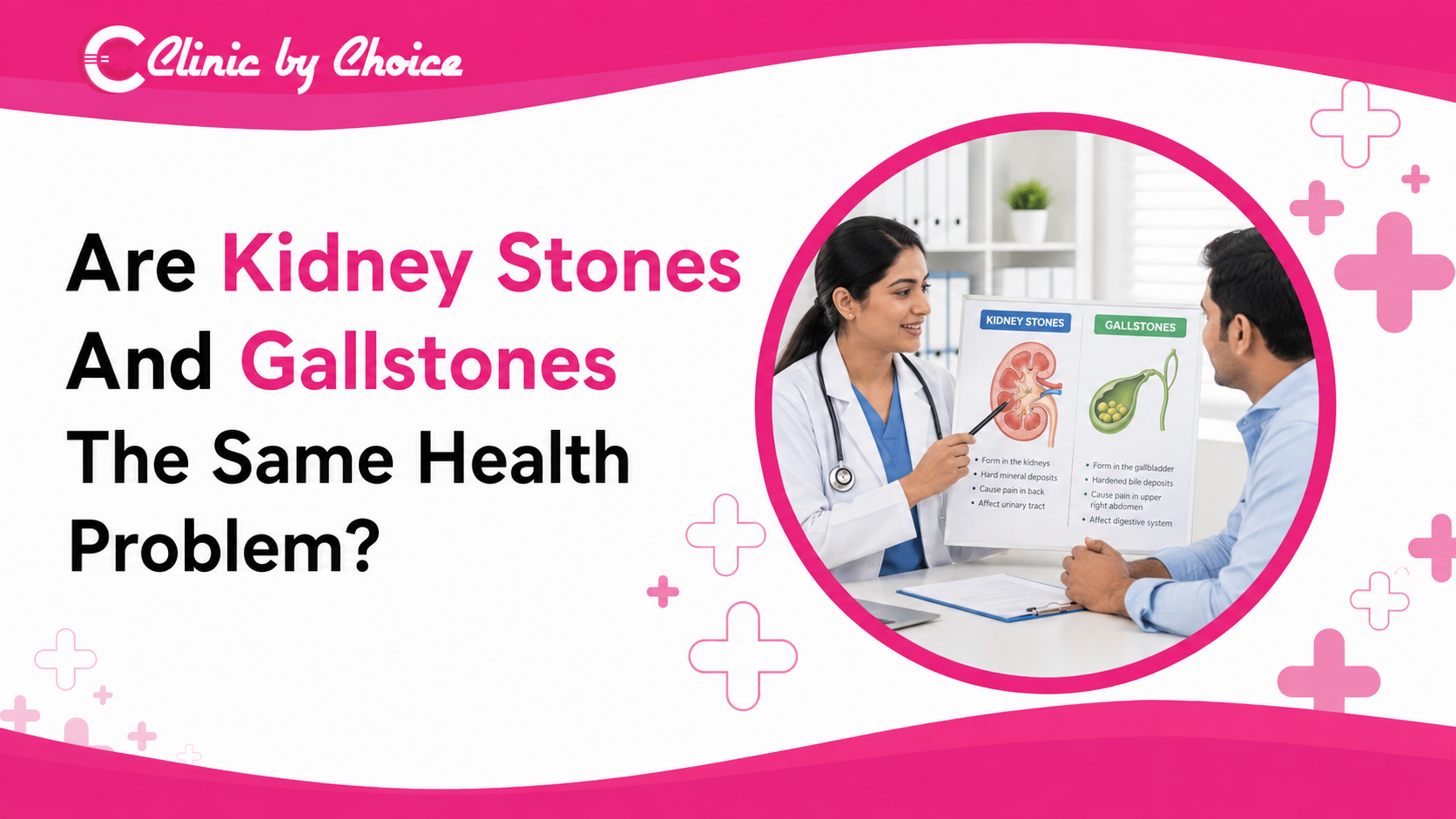
They are often mistaken for the same problem because they both lead to the formation of stones. Inasmuch as they are stones, their formation, location and impact are significantly different. It takes a thorough diagnosis by the best doctor to analyze their level of severity for treatment to be administered. The only similarity that these two health problems have is that they can both be reversed when treatment is prescribed on time and can also lead to severe cases if treatment is not administered. This blog provides the main differences between Gallstones and Kidneystones to provide awareness.
The cause and location
Gallstones and kidney stones significantly vary based on their risk factors and where they can be located;
Gallstones can form due to excess cholesterol, bilirubin, and excess pigmentation or due to insufficient salts that keep the liquids dissolved. An imbalanced amount of these chemicals causes the formation of pebbles that increase in size when treatment is not administered. These stones formed in the gallbladder have the potential to move to the bile ducts.
Kidney stones form mainly due to an insufficient amount of water in the body, which causes a high amount of crystal-forming substances such as calcium, uric acid and oxalate. A high amount of these substances makes it difficult for the fluid in the urine to dilute them, which eventually allows the minerals to stick and harden, causing stones that increase in size and number. The kidney stones formed in the kidney can have the potential to travel to the ureters and bladder.
The treatments
The treatments for both kidney stones and gallstones are different because they occur in different locations and are caused by different risk factors;
The treatment for gallstones is based on the complexity of the health problem. They include specialized endoscopic methods that aim at breaking the stones into tiny pieces and, later on, paired with medications, they can also include surgical procedures known as cholecystectomy, where surgeons cut off the entire gallbladder using tiny cuts, or an open surgery if the case is severe, through a tiny tube that goes through the skin for immediate removal since the patient is too sick.
The treatments for kidney stones also depend on the severity of the condition of some kidney stones. Small kidney stones can be washed down with water whilst others require prescribed treatment. The treatments may include surgical procedures which involve removing the kidney stones or breaking the stones into tiny pieces.
The symptoms
Gallstones do not always cause any symptoms, but they can start showing symptoms of belly pain, back or shoulder pain and stomach upset. It can further progress to causing yellow eyes and skin, high fever and chills and chronic pain. The gallstones can block the ducts, which causes pressure and disrupts the flow of bile, hence disrupting the digestive system.
The kidney stones gradually show symptoms as they increase in size and number; their symptoms include sharp pain in the back, urinary changes that cause frequent urination, production of foul-smelling urine that is brown and smelly and constant pressure even after urination.
Conclusion
These differences explicitly elucidate the significant differences between gallstones and kidney stones, as well as emphasize the impact they can have on the body by how they can disrupt the body’s functionality. Therefore, each of these health problems should be addressed thoroughly. Awareness of both of the health problems helps one to know how best they can be prevented or how to receive treatment promptly. Clinic By Choice is where one can have a thorough diagnosis and receive effective treatment as well as awareness.
FAQ’s
Can a person live properly without a gallbladder?
A person can live properly without a gallbladder; the digestive tract functions effectively, and the liver continues to produce bile.
Does treatment of the kidney stones restore functionality of the urinary tract?
The treatment restores functionality of the urinary tract, and it continues to function effectively. The success of the treatment also depends upon the severity of the health problem.