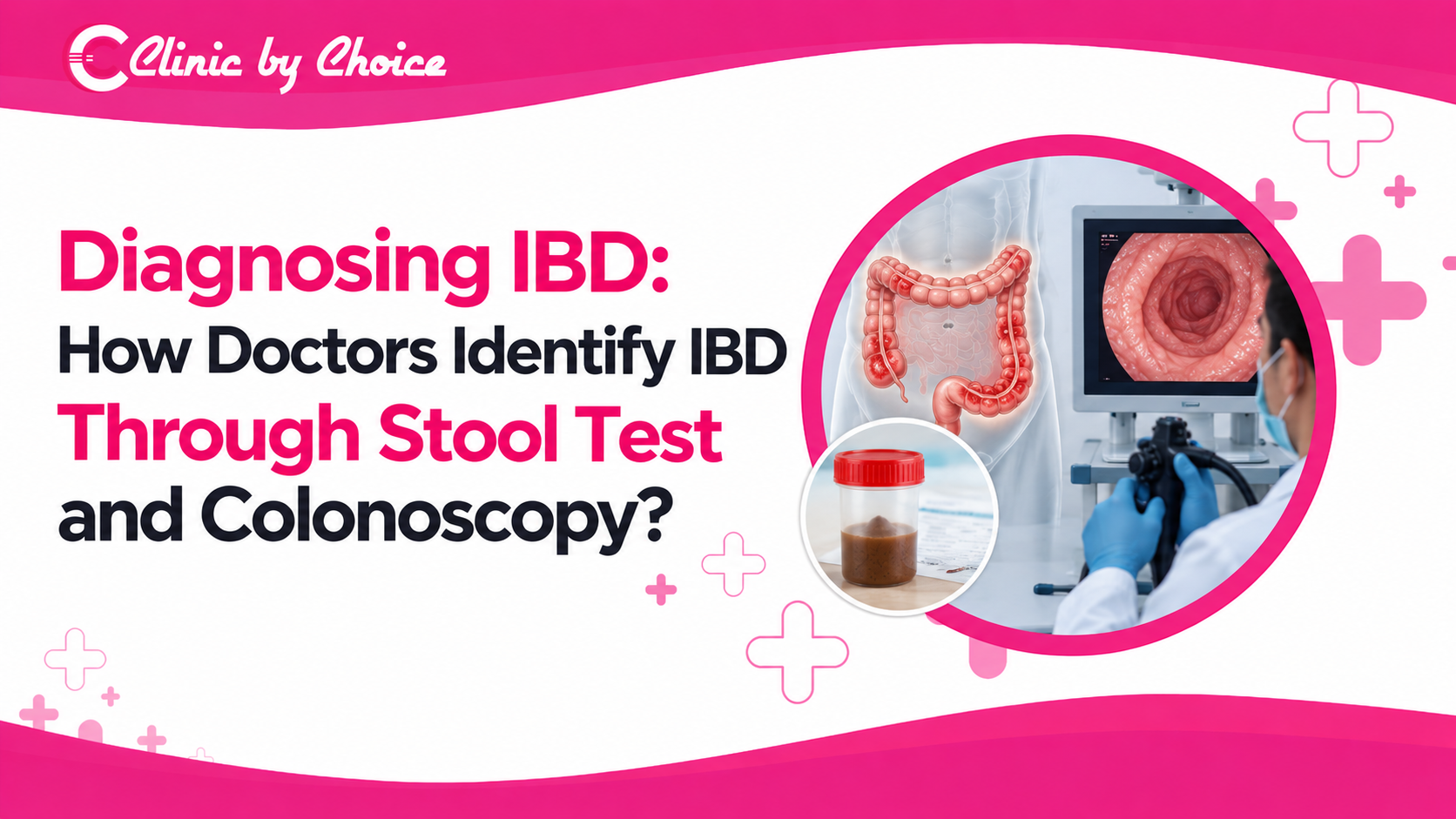
Inflammatory Bowel Disease is associated with chronic inflammation in your digestive tract, sometimes causing serious signs, or sometimes the symptoms go away on their own. This might sound a little bit complex for you to identify the signs of IBD, which can also result in intestinal damage. Abdominal pain, diarrhea and bloody stool are its symptoms, which can even appear in flare-ups. According to the complexity of your symptoms and current digestive health, the professionals recommended a colonoscopy. Otherwise, the symptoms can be analyzed using fecal calprotectin, simply associated with a stool test to find out the white cells. Therefore, when it's about fecal calprotectin vs. colonoscopy, the professionals always recommend choosing between the two on the basis of your current health condition.
Both procedures are associated with testing techniques for identifying IBD symptoms, but they differ significantly. Fecal calprotectin is a stool test that detects white blood cells, which indicate the presence of inflammation in your digestive tract. On the other hand, colonoscopy is a minimally invasive procedure that uses a small, flexible camera inserted into your body to analyze structural changes, ulcers and other abnormalities in your digestive tract.
Welcome to this blog post, where you’ll be introduced with fecal calprotectin vs. colonoscopy differences, including different techniques for identifying IBD.
Here’s how doctors perform fecal calprotectin testing!
- The professionals will provide you with a kit, including a container, in which you need to collect your stool sample.
- After collecting the stool sample, return it to your doctor right away so they can diagnose you precisely.
- The experts will detect the presence of calprotectin in your stool sample, which indicates inflammation in your intestine.
When will this test be suggested by the doctor?
Usually, watery diarrhea is the main symptom of IBD, which can go away on its own. However, if it persists for quite a long time, then your professionals would suggest for fecal calprotectin.
- If you notice strange changes in your stool colour, black, tarry stool is a real issue. Also, if you notice blood or pus in the stool, you should inform your healthcare provider soon.
- If you have been feeling an urge to pass stool, but there’s no stool, then it might be a sign associated with IBD.
- If you have been noticing a rapid decrease in your weight, even though you are not trying for weight loss.
What do you need to do during fecal calprotectin testing?
- Make sure to collect the kit, including the container in it, and label it with your name and collection date and time.
- Most importantly, ensure that your stool does not get mixed with your urine or toilet paper while collecting the sample.
- Afterwards, close the container tightly, wash your hands properly with soap to keep them clean and then give it back to your healthcare provider.
How to identify the results of this test?
When the calprotectin levels are low or normal:-
- If the results are low or normal, then it apparently indicates no inflammation in your intestine, which means you are not struggling with IBD.
- However, to identify the real cause behind your disturbed digestive health, the doctor might suggest other tests.
- Also, sometimes, it is possible to get low or normal levels of calprotectin while having intestinal inflammation, which is more common in children.
When the calprotectin levels are high:-
- Apparently, high levels of calprotectin mean you have been struggling with IBD and the presence of inflammation in your intestine.
- After starting an appropriate treatment for your IBD, the professionals take this test again to analyse the level of calprotectin in your body, thus providing a recovery track.
Here’s how doctors perform a colonoscopy!
If the symptoms do not improve, then the professionals suggest a colonoscopy to understand the detailed analysis of your current digestive health, along with diagnosing the specific type of IBD – ulcerative colitis or Crohn’s Disease.
- Usually, IBD patients have a higher chance of developing colorectal cancer; thus, this procedure helps in diagnosing colon polyps and removing them at the same time.
- The doctors ensure they provide you with anesthesia and sedatives to prevent any pain.
- Then the doctors would ensure you lie on the table, where the colonoscope tube would be inserted through your anus; afterwards, it reaches the rectum and colon.
- With the little camera on the tip of the colonoscope tube, the experts would clearly see your small intestine, rectum and colon.
- This can thoroughly show images of ulcers, cancer and polyps inside your body, allowing the experts to make the right decision afterwards.
- They can even adjust the camera to precisely see the rectum and colon lining.
What happens after colonoscopy?
Colonoscopy only takes an hour to complete, allowing the experts to fully analyze your rectum and colon.
- After colonoscopy, the anesthesia effect would last for 30 to 60 minutes, and you might feel a little cramping and abdominal pain.
- After this, your experts might share what they have found through this procedure in order to discuss the next treatment plan.
- Make sure to take your friend or family member with you so that you don’t have to drive back home alone.
- You’ll be provided with specific instructions that you need to follow after the procedure to manage your digestive health.
How can you prepare for colonoscopy?
Make sure to have a word with your doctor regarding the specific symptoms you have been struggling with in order to get an IBD done.
Follow specific diet instructions.
- You’ll be provided with the specific diet instructions with the aim of leaving no stool in your large intestine, thus allowing your doctor to see precisely in your large intestine.
- Make sure to stop consuming fiber foods several days before the procedure, such as raw vegetables, nuts and seeds.
- You can consume plain coffee or tea without cream or milk, along with lime and lemon flavor. Most importantly, keep consuming water throughout the day.
Keep your bowel clean
- Your healthcare provider might suggest you keep cleaning your bowel before the colonoscopy.
- This includes different methods such as pills or powerful laxatives, allowing you to clear your bowel.
- The doctor might suggest that you sit near the bathroom to help you clean your bowel system efficiently.
Arrange someone for help!
- After the completion of colonoscopy, you might be under the anaesthesia effect, due to which you can become unable to drive yourself back home.
- Therefore, ensure you arrange a house help before the colonoscopy procedure so that you can drive back home safely.
The Bottom Line!
Summing up the above-mentioned points, you might have understood how the doctors perform colonoscopy and fecal calprotectin for identifying IBD, along with a fecal calprotectin vs. colonoscopy comparison, eventually providing you with the appropriate medical treatment afterwards. Both procedures are performed quite differently to assess your digestive health, which can result in bloating and watery diarrhea more often.
If you have been seeking out medical help for your persistent diarrhea, bloody stool and unexpected weight loss, then here we are! The professionals at Grover Gastro and Fertility Centre are readily available to help you diagnose digestive problems and provide appropriate treatment accordingly. Our expert, Dr. Rajiv Grover, specializes in handling simple to complex digestive issues, including IBD as well. So schedule your appointment right now for a proper diagnosis!
FAQs
- Are IBD and IBS the same?
No, there’s a significant difference between IBD and IBS; however, their names might be the same to some extent. Inflammatory Bowel Disease is associated with inflammation in your digestive tract, while Irritable Bowel Syndrome is related to a gastrointestinal disorder, including the improper functioning of your gut system.
- How much time does IBD take to go away with the medications?
Medications can help control IBD symptoms, which can be managed within a few days or months, thus resulting in improved digestive health.
- Noticing blood in stool for one time is associated with IBD symptoms?
Generally, noticing blood in stool can be related to IBD symptoms; however, there are other conditions such as hemorrhoids and anal fissures that include similar symptoms. Thus, a proper diagnosis is crucial to start with an appropriate treatment afterwards.
- What is the treatment process for IBD after colonoscopy?
After colonoscopy, generally, the experts ensure that your IBD symptoms are managed with the help of prescribed medications and suggest specific changes in your diet and lifestyle.
- Are high fecal calprotectin levels only related to IBD?
No, other conditions such as colorectal cancer and infections are also related to high levels of calprotectin, which can be identified by experts.