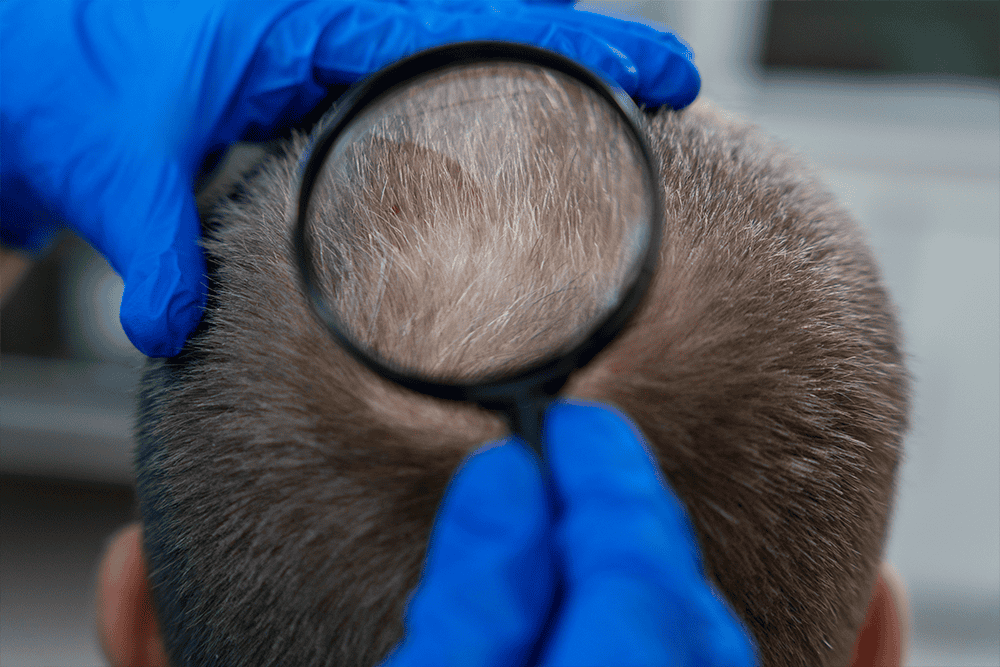
Statistically, men tend to experience more baldness compared to women, primarily due to higher levels of androgens and genetic factors. Genetics is known to play a significant role in accelerating the balding process in men. However, there are also other determinants like stress and diet, which can also contribute to the baldness pattern. Fortunately for men, there are treatments and medications that help to restore their hair health. Some of the treatments recommended by specialists of hair transplant in Punjab include hair transplant and medications like minoxidil.
What Is Male Pattern Baldness?
Male pattern baldness is a hair loss condition that is experienced by men, which is characterised by thinning of the hair at the crown and receding of the hairline. Sometimes the condition may cause complete baldness in those areas. Further, androgenic hormones influence the condition in men by causing the hair follicles to shrink and eventually stopping the production of hair. The progression of male pattern baldness typically begins after puberty, with early stages involving subtle hair recession and thinning at the crown. When the condition advances, it causes significant hair loss at the top of the head. Treatment for this condition will require a hair transplant and some medications.
Determinants of Male Pattern Baldness
According to specialists of hair transplant in Ludhiana, there are several factors that lead to the development of male pattern baldness, and these include the following:
- Genetics - Hereditary factors play a big role in male pattern baldness, as it can be passed down either from the mother or the father. Furthermore, specific genes and their expressions determine the likelihood and criterion of baldness.
- Hormones - According to the specialists on hair treatment in Vizag, fluctuations in hormone levels can contribute to hair loss in men. The DTH hormone is also responsible for the shrinkage of hair follicles, which causes the production of new hair to stop.
- Environmental factors - Certain environmental factors, such as stress, both physical and mental, can contribute to the development of male pattern baldness and potentially worsen the condition over time. Besides that, nutritional deficiency can also cause hair loss, especially of iron and vitamins, as they are essential nutrients.
- Other factors - Some of the common determinants include age, as male pattern baldness is more prevalent among aged males. Additionally, medications such as chemotherapy can also cause baldness as an aftermath of the treatment. Other medical conditions like autoimmune diseases can also contribute to hair loss.
Conclusion
From the aforementioned, it can be concluded that male pattern baldness is a condition that is determined by several factors at play, which include genetics, hormones, and environmental factors. Some habits, like smoking, have been linked with the development and progression of male pattern baldness among men. Moreover, men are encouraged to seek medical attention for their hair loss as a specialist in hair transplant in Ludhiana can provide an appropriate diagnosis and treatment for male pattern baldness. Hair health can also be improved by adopting a healthy lifestyle and diet.