High blood pressure is becoming a highly prominent issue in young adults and senior individuals. The most common driving factors for this are stress, consuming a diet high in sodium and lack of physical activity. If you look at the practices that can improve this condition, they are either through medications or through regular exercise. Regular physical activity is one of the most effective non-pharmacological ways to manage and lower high blood pressure. Engaging in regular exercise can reduce systolic blood pressure by approximately five to eight mmHg, a change that can significantly reduce the risk of stroke and heart disease. The key to success is consistency over intensity, aiming for moderate intensity aerobic exercise at least one hundred fifty minutes per week or seventy-five minutes of vigorous activities. Read this blog to know what activities are best for lowering blood pressure.
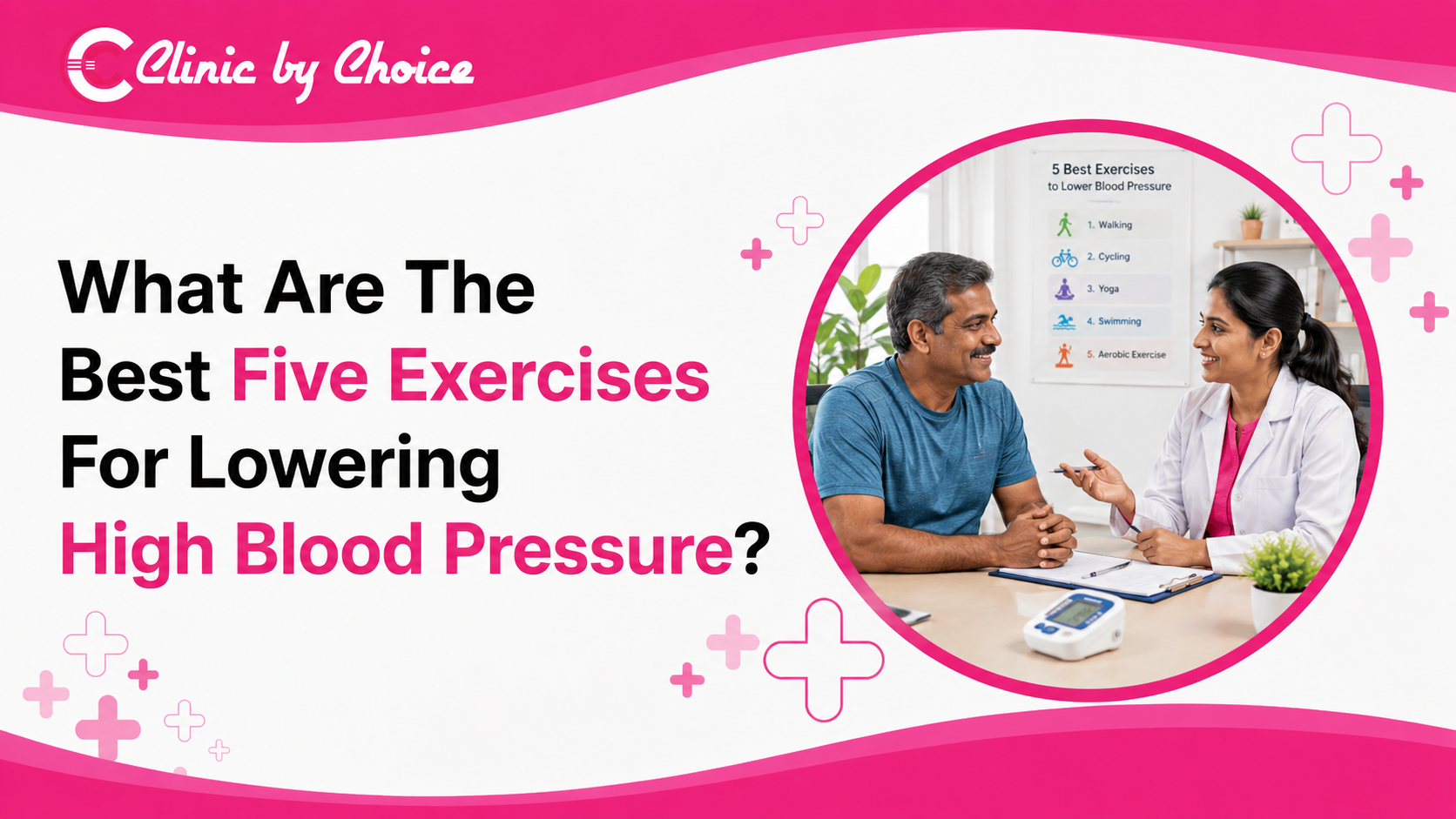
Here are the top five exercises for lowering high blood pressure.
Brisk walking or hiking
Brisk walking is one of the most effective and accessible exercises for lowering blood pressure. Walking thirty to forty minutes a day or breaking it into three ten-minute sessions can reduce pressure by strengthening the heart and reducing arterial stiffness. It acts as a sustained aerobic activity that increases oxygen usage, lowering overall vascular resistance. If you can not walk outside, consider using a treadmill or even desk-based pedalling for ten-minute intervals.
Cycling or stationary biking
Cycling is a low-impact, highly effective cardio that can effectively improve vascular health. Both outdoor cycling and stationary biking are effective ways to lower blood pressure, especially for those with joint concerns. It facilitates better blood circulation and directly reduces blood pressure levels. Aim for thirty minutes of moderate intensity cycling or two high intensity sessions per week.
Isometric exercises
Research indicates that isometric exercises, which involve contracting muscles without moving the joints, are highly effective at lowering resting blood pressure. This includes exercises such as wall sits, planks and glute bridges. The sustained muscle contractions improve vascular dilation and enhance blood flow regulation. Perform three to four sets of thirty to sixty seconds hold for wall sits or planks, resting in between as a part of a seventeen-minute session three times a week.
Swimming or water aerobics
Swimming is a fantastic, low-impact full-body cardiovascular workout. It is particularly good if you are starting or have joint pain that prevents walking or jogging. The consistent movement and resistance of water help lower peripheral resistance. A seventy-five-minute high-intensity swimming session can be as beneficial as one hundred fifty minutes of moderate exercise.
Strength training
While cardio is often highlighted, building muscle through resistance training is important. Using light weights, resistance bands or bodyweight exercises like push-ups and squats two or three times a week helps manage blood pressure. It increases muscle mass, which improves metabolic functions and aids in long-term pressure control. Focus on high repetitions with lower weight rather than attempting heavy lifting to avoid sharp, temporary blood pressure spikes during the workout.
Conclusion
Regular exercising is a powerful drug-free approach to managing high blood pressure, with research indicating that it can lower systolic pressure by several points. The best practices involve regular moderate-intensity aerobic exercise, such as brisk walking or swimming, as they help to strengthen the heart and promote vascular health. Prominent research highlights that isometric exercises like wall sits are exceptionally effective at reducing both systolic and diastolic blood pressure. Along with the regular exercise to check for the effectiveness, you should regularly get your routine heart health and blood pressure checkups to know your progress. Professional guidance is important to achieve the best results as they combine the regular exercise with certain medication to improve the quality of your life. Clinic By Choice is your perfect partner for tracking your heart health daily. We prepare a proper schedule planned for our patients to regulate their blood pressure to normal, just through changing their routine, and if necessary, adding some medication. Our treatment is proven to give the best results to the patient, and this is made possible with the guidance of our expert.
FAQs
How long does it take for exercise to lower blood pressure?
It generally takes one to three months of regular physical activity to see significant changes in resting blood pressure. However, the effects will be visible right after the single activity.
How often should I exercise to see results?
Try to get at least one hundred fifty minutes of moderate aerobic activity or seventy-five minutes of vigorous activity per week. Breaking this into thirty minutes a day and five days a week is a great goal.