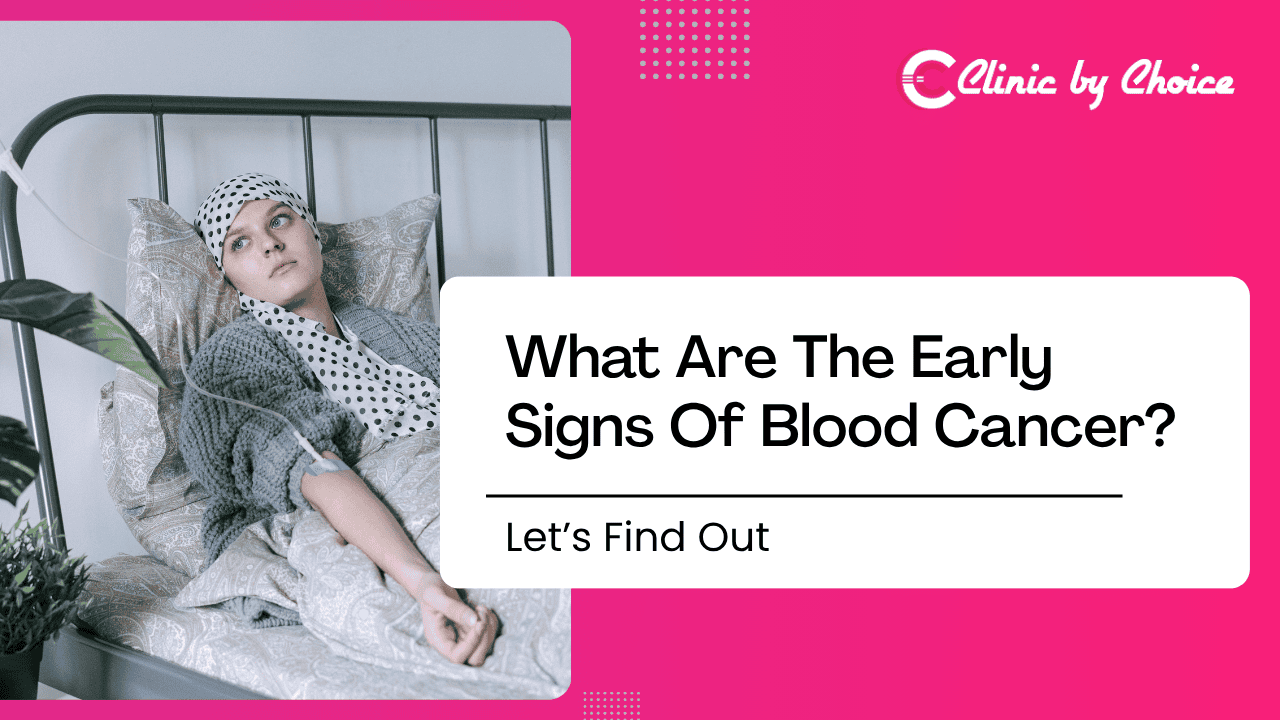
Blood cancer has subtle symptoms such as unexpected weight loss, persistent fatigue, easy bruising and bleeding and heavy night sweats. This condition is an abnormal multiplication of blood cells that overcrowds the healthy cells. Unlike other types of cancers that result in the development of a tumour, blood cancer cells multiply and spread in the body, which makes it difficult to detect. Blood cancer starts off mildly and slowly progresses into a chronic condition with its subtle symptoms that are often overlooked. General awareness of these subtle symptoms can reduce risks and also lead to early treatment. Therefore, read along that explains the early symptoms of blood cancer.
Early symptoms of blood cancer
- Weakness and Fatigue
Extreme fatigue is one of the common early signs of blood cancer, yet it is commonly mistaken for mild health conditions. This type of persistent fatigue occurs because of the inability of the bone marrow to produce healthy blood cells, and it still lingers even after adequate rest. The fatigue entails that the body has low blood cells, resulting in low oxygen levels in tissues. It can also occur with dizziness and shortness of breath.
- Unexpected weight loss
An individual can experience sudden weight loss within 6 to 12 months without any diet changes or exercise. The unusual weight loss occurs because cancer cells consume a lot of energy, which disrupts the metabolic system, disrupts an individual's appetite or can cause abdominal fluid buildup.
- Frequent recurring infections
Blood cancer cells attack the immune system, leaving the body vulnerable to infections. Blood cancers start developing from the bone marrow; as such, the abnormal multiplication of the blood cells suppresses the healthy cells. The immune system becomes weak in protecting against infections or fighting them, which results in frequent recurring infections.
- Easy brushing and bleeding
One of the most overlooked symptoms of blood cancer is easy bruising and bleeding. A multiplication of cancer cells in the bone marrow decreases the availability of platelets, which are needed for clotting. The easy bruising and bleeding may occur as frequent nose bleeding, unexpected bruising, gum bleeding, heavy menstrual periods and pinprick rash, which are small red spots.
- Night sweats and persistent fever
Night sweats and persistent fever are described as early symptoms. They are caused by immune system dysfunction, metabolic changes and inflammation. This results in heavy sweating to the extent of needing to change clothes and an abnormal, long, persistent fever without any obvious cause.
Types of blood cancer
Leukaemia: This type of cancer attacks the bone marrow, resulting in an abnormal increase of blood cells.
Lymphoma: It attacks the lymphatic system, a part of the immune system.
Myeloma: This type of cancer begins from the plasma cells, which are a type of white blood cell in the bone marrow.
Conclusion
With all these underlined symptoms, it entails the importance of paying attention to the body's communication. A person may experience easy bruising, persistent fever, night sweats, and ongoing fatigue; these symptoms should not be overlooked but rather should be consulted with a health service provider for a check-up. Apart from observing these signs, a person can simply schedule regular check-ups, especially if their family has a history of blood cancer. This helps to detect the cancer at its early stages. Clinic By Choice, led by Anuj Gupta, can help you get in touch with the best health service providers for blood cancer tests.
FAQ's
- Is blood cancer reversible?
The reversibility of blood cancer differs depending on the type of blood cancer and its severity. Whilst some types of blood cancers can be cured, some can be treated as a long-term remission, and others can be regarded as a chronic condition and managed by different treatments.
- What are the treatments provided for blood cancer?
There are a number of treatments provided for blood cancer, such as chemotherapy, targeted therapy, immunotherapy, bone marrow transplant, and radiation therapy.